
Santa Rosa Janitorial
Commercial Spaces We Clean
We clean the work rooms, customer spaces, and common areas inside Santa Rosa commercial properties.
Call (707) 865-8251
Offices and customer interiors
An office combines work surfaces with reception and meeting rooms. A retail interior connects customer space to employee facilities. We clean those rooms and the floors joining them, keeping care relevant to how each part is used.
Areas shared by several occupants
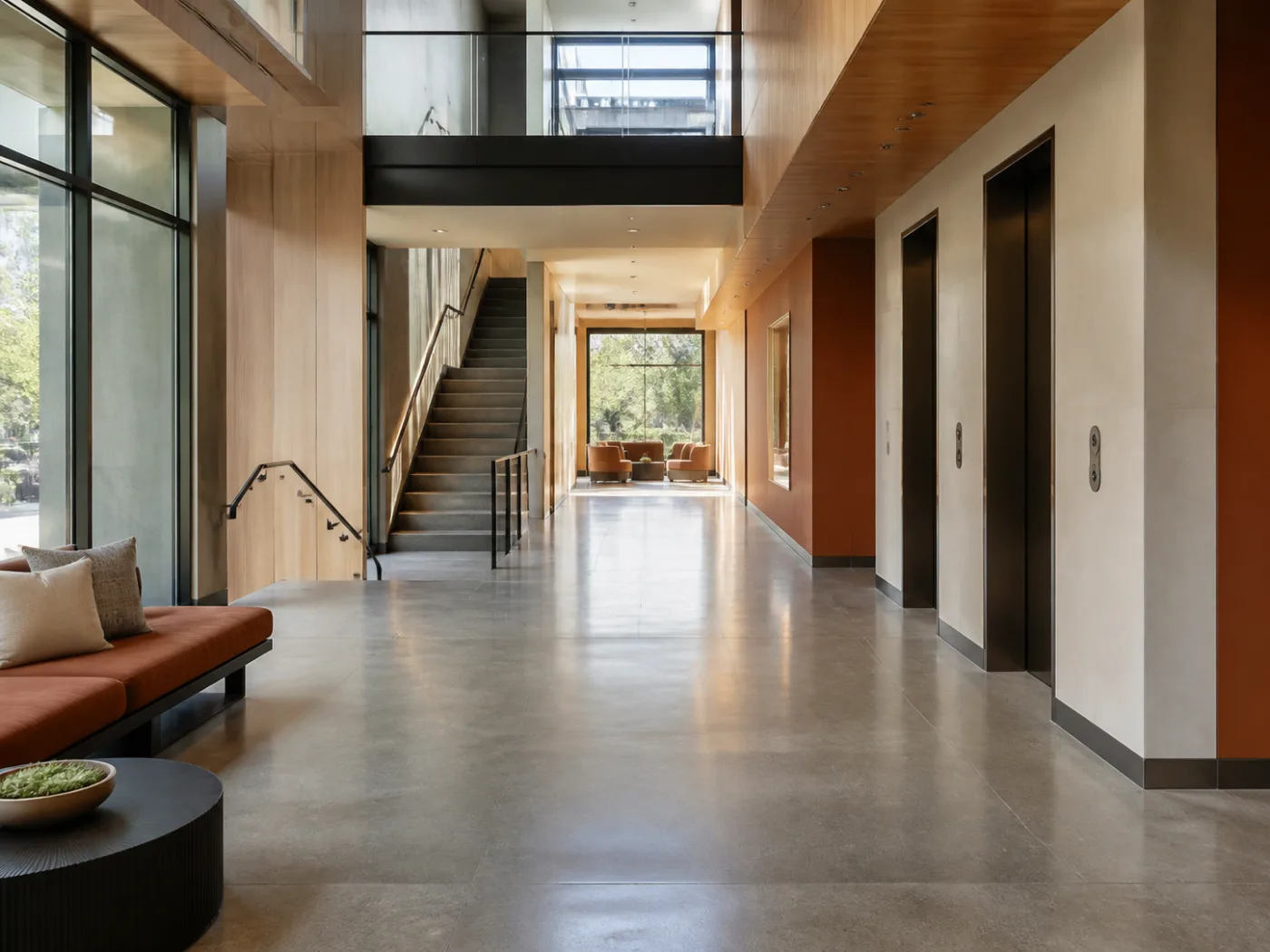
Multi-tenant buildings have entries, corridors, and common rooms used beyond a single suite. Cleaning covers these shared interiors alongside the individual business rooms receiving service.
Healthcare rooms with distinct requirements
Public and administrative healthcare rooms receive routine cleaning. Clinical care areas and terminal cleaning use the facility’s written requirements, described in the dedicated medical service.
- Office rooms
Reception, meeting rooms, workspaces, and staff facilities.
- Retail and shared interiors
Customer areas and common spaces within commercial buildings.
- Healthcare spaces
Public and clinical rooms with their distinct cleaning requirements.
Frequently asked questions
Do you clean both shared areas and office suites?
Yes. Common interiors and individual workplace rooms receive cleaning within the same commercial property.
Can healthcare waiting rooms receive recurring cleaning?
Yes. Waiting rooms and other public healthcare interiors are included.
Where can I find industry-specific services?
Industries We Serve links to medical, senior living, and beverage-property cleaning.